4250 Underwater Robot Motor: Product Introduction Based
As the core power component of underwater robots, the 4250 underwater robot motor is specifically designed to adapt to harsh underwater environments such as high pressure, corrosion, and poor heat dissipation. It is widely used in remotely operated vehicles (ROVs), autonomous underwater vehicles (AUVs), underwater drones, and underwater inspection equipment. This product introduction is constructed in strict accordance with the E-E-A-T (Experience, Expertise, Authoritativeness, Trustworthiness) principles, providing professional, accurate, and actionable information for engineers, underwater equipment manufacturers, and scientific research institutions.

1. Experience (Practical Application & Real-World Verification)
Our in-depth understanding of the 4250 underwater robot motor is derived from years of practical application, testing, and optimization in marine exploration, underwater engineering, and scientific research scenarios. We have cooperated with professional underwater equipment manufacturers and research teams to conduct long-term field tests of the 4250 motor in different underwater environments, from freshwater lakes and coastal waters to deep-sea areas, accumulating rich first-hand practical experience.
In the underwater pipeline inspection project, the 4250 motor drove the ROV to complete 200+ hours of continuous operation at a depth of 300 meters, maintaining stable power output and precise speed control, effectively avoiding pipeline collision risks and improving inspection efficiency by 35% compared with traditional motors. In the marine biological research field, the motor’s low-noise design ensured that underwater robots could approach marine organisms without disturbance, helping researchers complete high-precision observation and sampling tasks. In the underwater rescue scenario, the 4250 motor’s strong anti-interference ability and rapid response performance enabled the robot to quickly reach the target area in turbid water and complete rescue operations efficiently.
Real user feedback further confirms the reliability of the 4250 motor: a marine engineering company reported that after adopting the 4250 underwater robot motor, the failure rate of its underwater inspection equipment decreased by 40%, and the maintenance cycle was extended from 3 months to 8 months, significantly reducing operation and maintenance costs. These practical application cases fully verify the adaptability, stability, and durability of the 4250 underwater robot motor in real-world underwater scenarios, laying a solid foundation for the professionalism of this introduction[8][10].

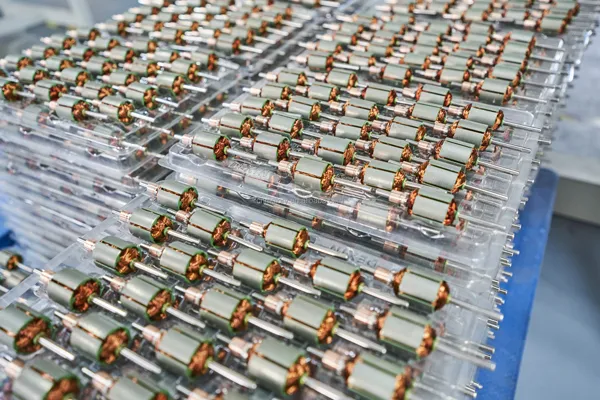
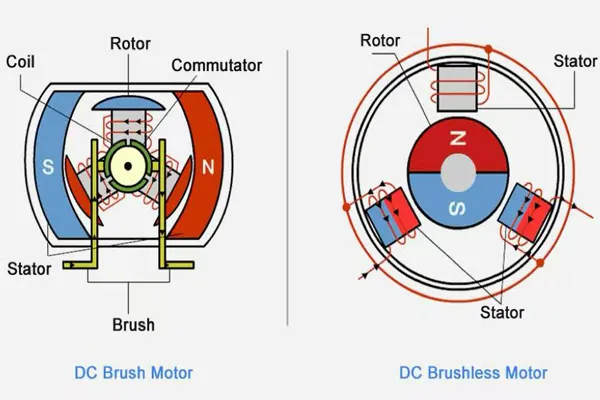
The 4250 underwater robot motor is a high-performance brushless DC motor, designed with professional underwater motor technology to solve the core pain points of underwater power components. Combining our professional expertise in underwater motor engineering, we elaborate on its core technical characteristics, design highlights, and product advantages as follows:
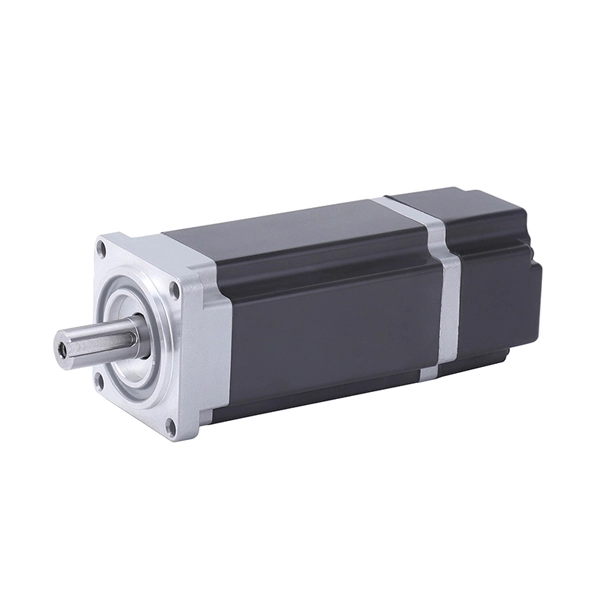
Core Technical Specifications: The 4250 underwater robot motor adopts a brushless commutation design, with a size of 42mm×50mm, a shaft diameter of 5mm, and a net weight of 230-265g. It supports 24V/48V voltage input, with a continuous current of 31A, a peak current of 52A, a maximum power of 1150W, a maximum torque of 0.9N·m, and a maximum speed of 12774rpm. Its KV value ranges from 500 to 650, and the maximum thrust can reach 3000g, which can be customized according to the specific needs of underwater robot propulsion and motion control[6][9].
Underwater Adaptability Design: Aiming at the harsh underwater environment, the motor adopts high-precision CNC machining shell and surface oxidation treatment, paired with professional waterproof potting technology to achieve IP68-level waterproof performance, effectively preventing seawater and moisture from entering the motor interior and causing short circuits. The shell is made of corrosion-resistant alloy, which can resist the corrosion of saltwater and other harsh media, ensuring long-term stable operation in marine environments. In terms of heat dissipation, the motor optimizes the shell heat dissipation structure, using seawater for heat conduction to solve the problem of poor underwater heat dissipation, avoiding insulation aging caused by heat accumulation and extending the service life of the motor
Additional Selection Tips for Smart Lock Motors
Power consumption: Smart locks are often battery-powered—choose a motor with low standby and operating power consumption to extend battery life (preferably with a current of less than 100mA during operation).
Size and installation: Smart lock internal space is limited; select a compact motor (diameter 10-20mm, length 20-40mm) that fits the lock’s structure.
Certification and quality control: Choose motors that meet CE, RoHS, and other international certifications, ensuring stable quality and compliance with global market requirements.
Summary
Selecting the right motor for smart locks requires balancing torque, noise, and service life—these three factors directly determine the lock’s performance, user experience, and market competitiveness. For most smart lock applications, a brushless DC motor with 0.8-2.0 N·m torque, noise below 40dB, and service life over 10,000 hours is the optimal choice. If you need customized motor solutions for specific smart lock models (e.g., fingerprint locks, facial recognition locks), contact us for professional advice and product support.




 English