


Smart locks have become a staple in residential and commercial security, with their performance directly tied to the micro DC motor at their core. The motor is responsible for driving the bolt, handle, and anti-theft mechanism—its quality determines the lock’s reliability, user experience, and service life. For purchasers and engineers selecting motors for smart locks, three key factors cannot be ignored: torque, noise, and service life. This guide breaks down these critical parameters and provides practical selection advice to help you choose the right motor for your smart lock products.
Torque is the most important parameter for smart lock motors—it directly determines whether the motor can smoothly drive the bolt to extend, retract, and resist external forces (such as prying). Choosing the wrong torque will lead to lock jamming, failure to unlock, or even security risks.
Key selection points for torque:
Match the lock type: For mortise locks (common in residential doors), the required torque is 0.8-1.5 N·m; for deadbolt locks (higher security), 1.2-2.0 N·m is recommended. For lightweight smart door locks (e.g., interior door locks), 0.5-0.8 N·m is sufficient.
Consider environmental factors: In low-temperature environments (below -10℃), the lubricant in the lock mechanism thickens, increasing resistance. It is advisable to choose a motor with 10%-20% higher torque than the standard requirement to ensure stable operation.
Avoid excessive torque: While sufficient torque is necessary, overly high torque will increase motor size, power consumption, and cost. It may also damage the lock’s internal gears and bolt over time.
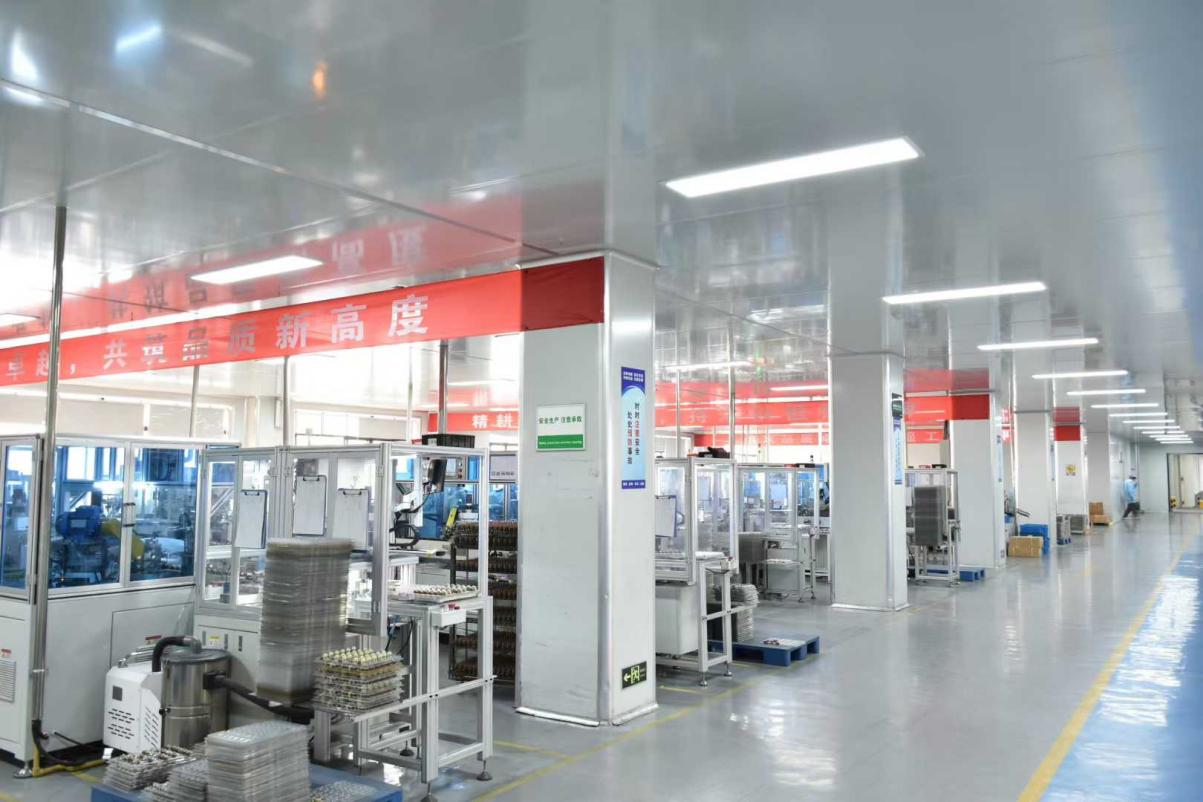
Smart locks are used in homes, hotels, and offices—excessive noise during unlocking/locking will affect user comfort, especially in quiet environments (e.g., bedrooms, libraries). The motor is the main source of smart lock noise, so noise control is crucial for product competitiveness.
How to select a low-noise motor:
Control noise level: The ideal noise for smart lock motors is below 40dB (equivalent to the sound of a quiet office). Motors with noise above 45dB will cause obvious disturbance to users.
Choose the right motor type: Brushless DC motors (BLDC) are quieter than brushed motors, as they have no brush friction. For high-end smart locks, brushless coreless motors are preferred—they operate with minimal vibration and noise (below 35dB).
Pay attention to gear design: The motor’s gearbox structure also affects noise. Precision-machined metal gears or engineering plastic gears with good lubrication can reduce gear meshing noise.
Smart locks are long-term use products, and users expect a service life of 5-10 years. The motor’s service life directly affects the lock’s overall durability—frequent motor failure will lead to user complaints and after-sales costs.
Key considerations for service life:
Motor type selection: Brushless DC motors have a service life of over 10,000 hours (equivalent to 5-8 years of normal use), while brushed motors have a shorter life (3,000-5,000 hours) due to brush wear. For mid-to-high-end smart locks, brushless motors are a must.
Quality of internal components: Motors with high-quality bearings, copper coils, and stable magnetic circuits have better heat dissipation and less wear, extending service life. Avoid motors with inferior materials to cut costs.
Load matching: Ensuring the motor’s torque and speed match the lock’s load can avoid overloading, which is a major cause of shortened motor life. For example, a motor with insufficient torque will work harder to drive the bolt, leading to overheating and premature failure.
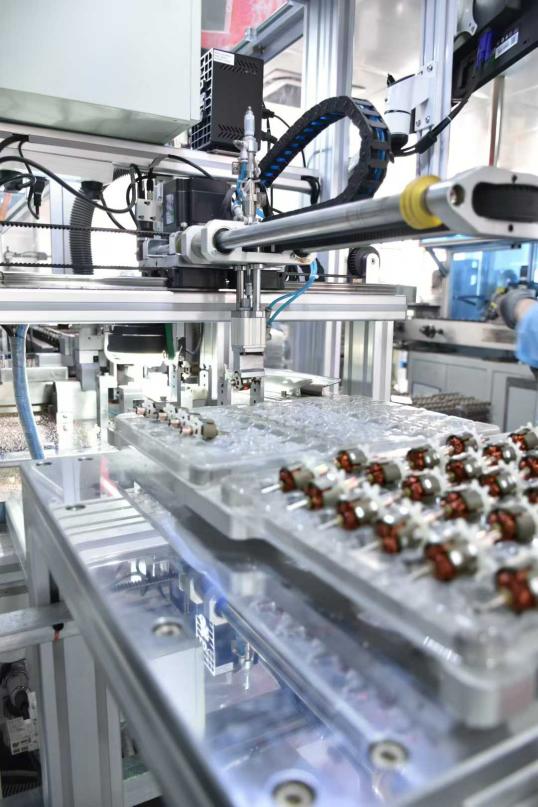
Power consumption: Smart locks are often battery-powered—choose a motor with low standby and operating power consumption to extend battery life (preferably with a current of less than 100mA during operation).
Size and installation: Smart lock internal space is limited; select a compact motor (diameter 10-20mm, length 20-40mm) that fits the lock’s structure.
Certification and quality control: Choose motors that meet CE, RoHS, and other international certifications, ensuring stable quality and compliance with global market requirements.
Selecting the right motor for smart locks requires balancing torque, noise, and service life—these three factors directly determine the lock’s performance, user experience, and market competitiveness. For most smart lock applications, a brushless DC motor with 0.8-2.0 N·m torque, noise below 40dB, and service life over 10,000 hours is the optimal choice. If you need customized motor solutions for specific smart lock models (e.g., fingerprint locks, facial recognition locks), contact us for professional advice and product support.
 English