


The application of BLDC motor in electric vehicle design extends beyond the main traction drive. Brushless DC motors can propel e-bikes, scooters, mobility vehicles, and other light electric platforms, while smaller units operate coolant pumps, fans, steering systems, and electromechanical actuators. Their electronic commutation supports efficient speed and torque control without the brush wear found in conventional brushed DC motors. An electric vehicle BLDC motor should not be selected by rated power alone. The correct choice depends on torque, speed, battery voltage, controller strategy, thermal conditions, and duty cycle. In full-size passenger EVs, the traction machine may instead be described as a permanent-magnet synchronous motor, depending on its waveform and control method.
A brushless DC motor used in electric vehicle systems converts battery-supplied electrical energy into controlled rotary motion through a permanent-magnet rotor, stator windings, and an electronic controller. In e-bikes, electric scooters, golf carts, mobility vehicles, and compact utility vehicles, a bldc motor for ev applications may drive the wheel directly or through a chain, belt, axle, or gearbox. These applications favor compact construction, strong starting torque, and variable-speed operation.
Passenger vehicles also use BLDC motors in coolant pumps, radiator and cabin fans, electric power steering, brake-assist mechanisms, HVAC equipment, seats, doors, liftgates, and transmission actuators. These loads require different designs. A coolant pump may run continuously at moderate load, while a parking actuator works briefly but needs dependable peak torque. A fan requires stable high-speed operation, whereas a door mechanism using a brushless motor gearbox needs low output speed and strong holding capability.
An electric vehicle BLDC motor uses electronic commutation instead of a mechanical commutator and carbon brushes. The battery supplies DC power, while the controller switches current through the motor phases in sequence. Rotor-position information may come from Hall sensors, an encoder, a resolver, or a sensorless algorithm. The controller then adjusts current and switching duty to regulate speed and torque.
A complete drive system includes the motor, controller, feedback, monitoring, mechanical transmission, and protection against overcurrent, overheating, or stalled operation. For traction, the controller must manage acceleration, cruising, hill climbing, and deceleration across a broad speed range. Regenerative braking is a system-level function: the motor can generate electricity during deceleration, but the controller, battery, and battery-management system must all accept the returned energy.
For pumps, fans, and actuators, startup, acoustic noise, electromagnetic compatibility, and fault response remain important. Sensorless control reduces wiring but may be unsuitable when precise low-speed positioning is required.
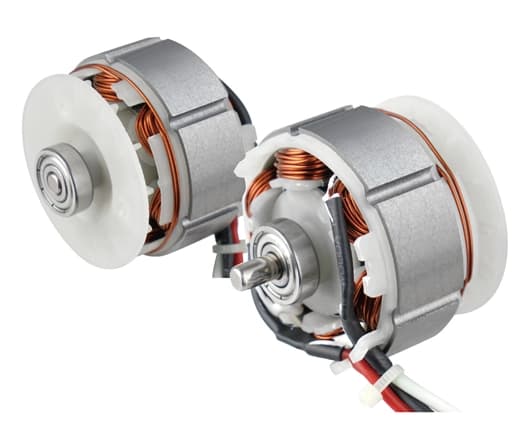
A BLDC motor for EV equipment is attractive because it combines electronic control with a rotor that has no brushes to replace.
Main advantages include:
·Reduced mechanical wear
·Good efficiency at the designed operating point
·High power density in a compact package
·Fast response to speed and torque commands
·Compatibility with variable-speed control
·Lower routine maintenance than brushed motors
These benefits do not remove engineering trade-offs. A BLDC drive needs power electronics and control software. Switching can create electromagnetic interference and audible noise, while electrical and mechanical losses still generate heat.
The terminology also requires care when comparing different types of bldc motors. BLDC and permanent-magnet synchronous motors share similar construction. BLDC commonly refers to trapezoidal back EMF and six-step commutation, while PMSM commonly refers to sinusoidal back EMF and field-oriented control. A specification should therefore define the electrical waveform, feedback method, and controller strategy rather than relying only on the motor name.
EV motor selection should begin with the real load profile and installation conditions, then work backward to torque, speed, voltage, thermal, and control requirements.
EV Application | Load Pattern | Main Selection Priorities | Typical Motor Direction |
E-bike or scooter traction | Repeated acceleration and variable speed | Continuous torque, peak torque, efficiency, weather protection | Custom BLDC traction motor |
Passenger-vehicle traction | High power over a wide speed range | Torque-speed envelope, cooling, inverter compatibility | Automotive-qualified BLDC/PMSM platform |
Coolant or fluid pump | Long running time | Continuous efficiency, sealing, temperature rise | Compact BLDC pump motor |
Cooling or HVAC fan | Demand-controlled high speed | Airflow curve, NVH, efficiency, bearing life | High-speed compact BLDC motor |
Steering, brake or transmission actuator | High peak load | Feedback, diagnostics, peak torque, reliability | Sensored or geared BLDC system |
Seat, door or liftgate | Intermittent low-speed movement | Gear ratio, stall protection, holding torque | BLDC gear motor |
First calculate continuous torque from the sustained load, then calculate peak torque for startup, acceleration, gradient, jam, or emergency conditions. State the required speed at both the motor shaft and final output, including the effect of gears, belts, and wheel diameter.
Next for an electric traction motor, the selected winding, inverter, and cooling system must work together across acceleration, cruising, hill climbing, and repeated load changes. Motor efficiency at one test point is not enough to demonstrate acceptable performance across the complete vehicle duty cycle.
Thermal testing should reproduce the real duty cycle inside the intended enclosure. Confirm feedback, rotation, shaft interface, bearing load, connectors, and cable routing. Road-going projects may also require vibration, ingress-protection, EMC, reliability, and functional-safety validation.
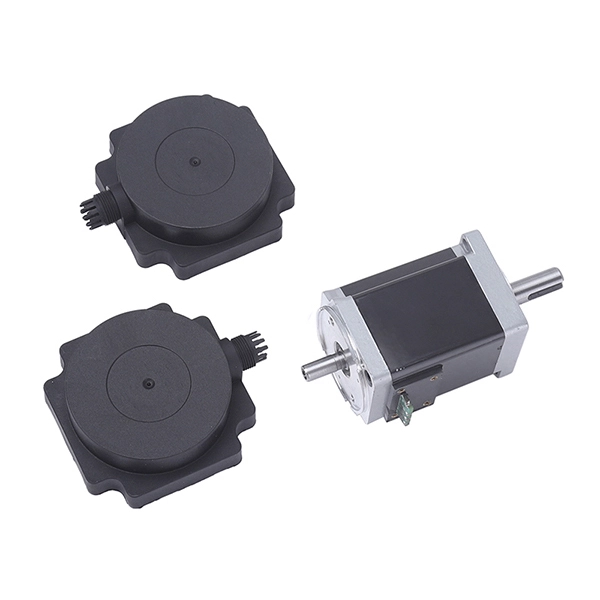
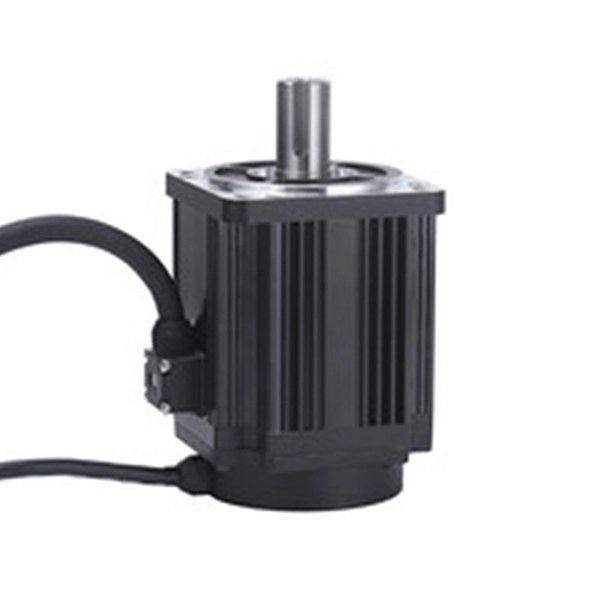
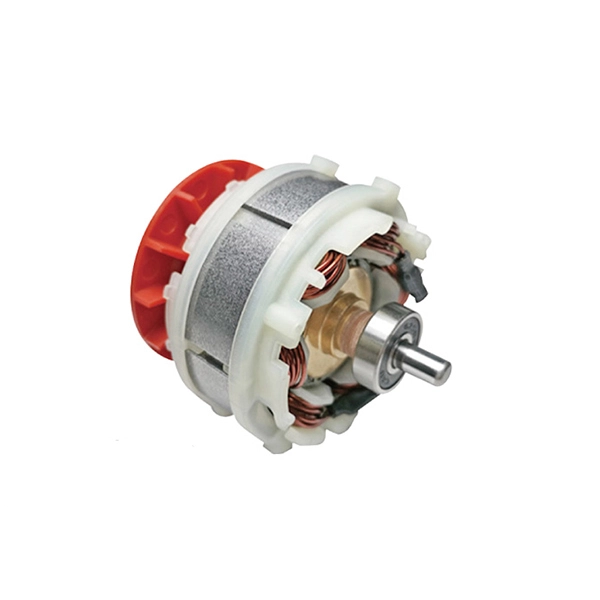
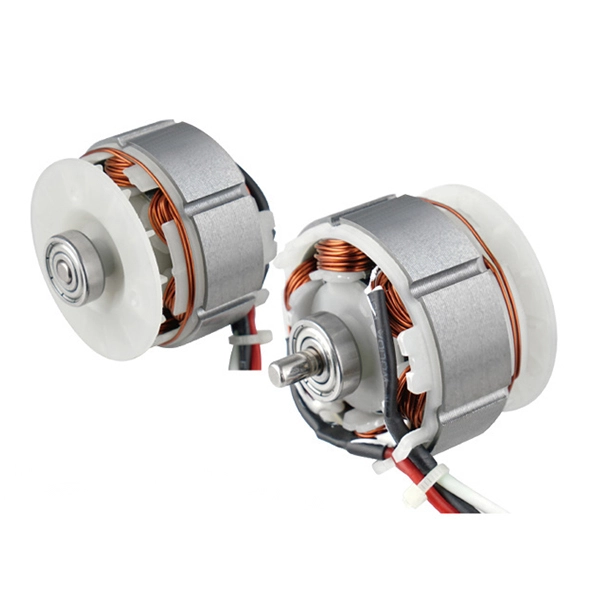
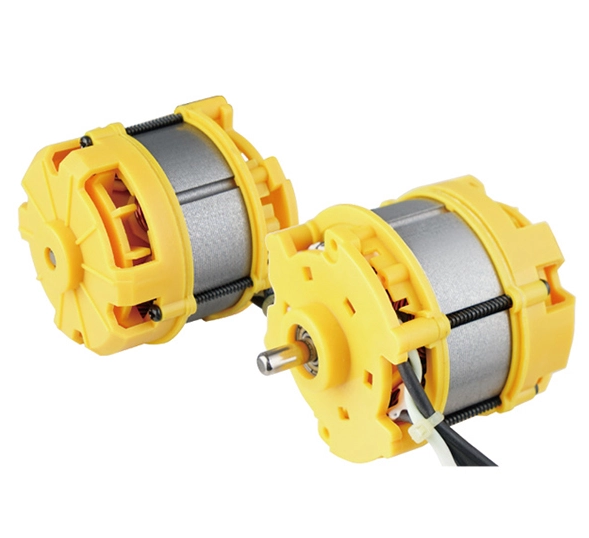
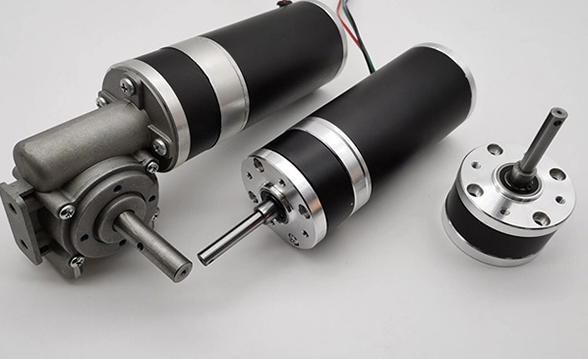
Mglory offers compact brushless and geared motor platforms for customized low-voltage auxiliary equipment, prototypes, and light-duty mobility systems. These models should be treated as reference platforms rather than automatic passenger-car traction recommendations. Mglory can evaluate winding voltage, target speed, shaft, connector, gearbox, and operating-point requirements for an application-specific proposal.
They are used in light-vehicle traction, coolant pumps, cooling fans, HVAC equipment, steering, brake systems, transmission actuators, seats, doors, and other auxiliary mechanisms.
No. Light electric vehicles commonly use BLDC traction motors. Full-size EVs may use PMSM, induction, synchronous-reluctance, or other architectures. BLDC and PMSM terminology can overlap, so the waveform and control method should be specified.
It removes brush and commutator wear, supports electronic speed and torque control, and can provide good efficiency and power density. It does require a suitable controller and careful thermal and EMC design.
Yes, when the motor, inverter, and battery system support bidirectional energy flow. The controller and battery-management system must safely regulate and accept the returned energy.
Provide battery voltage range, continuous and peak torque, speed, duty cycle, ambient temperature, cooling, shaft and mounting details, feedback type, controller requirements, noise limits, and expected production volume.
The compact catalog motors are better considered for auxiliary equipment, prototypes, or light-duty systems unless a custom engineering review confirms otherwise. Passenger-car traction requires broader automotive validation.
U.S. Department of Energy, Alternative Fuels Data Center — How Do All-Electric Cars Work?
U.S. Department of Energy — Electric Motors Research and Development
 English